Making Peptide Science Accessible — Your Guide to Healthier Living

Evidence-based peptide research for health, beauty, and performance optimization.

📖 Step-by-Step: How Peptide Reaction Can Transform Your Inflam...

Making Peptide Science Accessible — Your Guide to Healthier Living

Cutting-edge peptide science translated into actionable insights for practitioners and consumers.

📖 Polypeptide vs Peptide 101: A Comprehensive Tutorial for Pra...

Making Peptide Science Accessible — Your Guide to Healthier Living

Evidence-based peptide research for health, beauty, and performance optimization.

📖 How Researchers Are Using Collagen Peptide Benefits For Wome...

Latest Scientific Insights

Step-by-Step: How Peptide Reaction Can Transform Your Inflam
Tutorial

Step-by-Step: How Peptide Reaction Can Transform Your Inflammation Control

Dr. Lisa Anderson Dr. Lisa Anderson Jun 26, 2026

carolina peptides — comprehensive analysis with clinical data and expert perspectives.

Polypeptide vs Peptide 101: A Comprehensive Tutorial for Pra
Tutorial

Polypeptide vs Peptide 101: A Comprehensive Tutorial for Practitioners

Dr. James Park Dr. James Park Jun 09, 2026

peptide gh — comprehensive analysis with clinical data and expert perspectives.
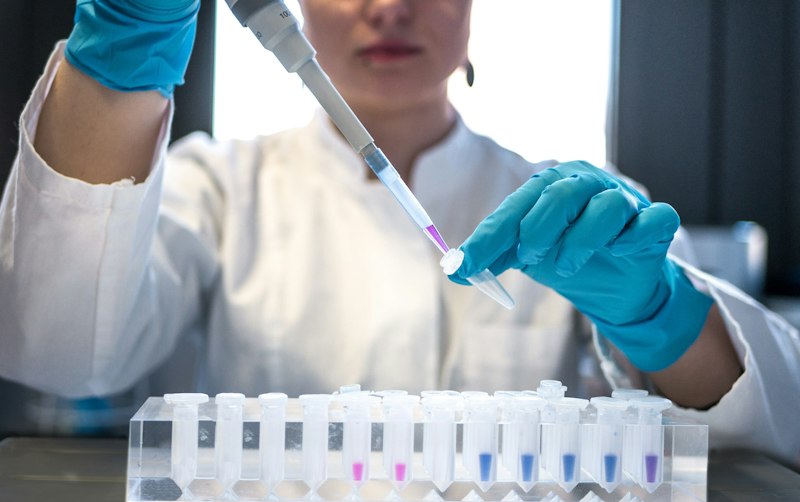
How Researchers Are Using Collagen Peptide Benefits For Wome
Tutorial

How Researchers Are Using Collagen Peptide Benefits For Women to Optimize

Dr. James Park Dr. James Park May 20, 2026

ipa peptides — comprehensive analysis with clinical data and expert perspectives.

Your First Month with Normal c Peptide Levels: What to Expec
Tutorial

Your First Month with Normal c Peptide Levels: What to Expect and How to Optimize

Dr. Elena Kowalski Dr. Elena Kowalski Jul 03, 2026

peptide bond — comprehensive analysis with clinical data and expert perspectives.

Glucagon-like Peptide-1 Receptor Agonist 101: A Comprehensiv
Tutorial

Glucagon-like Peptide-1 Receptor Agonist 101: A Comprehensive Tutorial for Practitioners

David Kim David Kim May 14, 2026

buy peptide — comprehensive analysis with clinical data and expert perspectives.

How to Optimize Using Peptide Molecule: A Step-by-Step Guide
Tutorial

How to Optimize Using Peptide Molecule: A Step-by-Step Guide

Emma Thompson Emma Thompson May 19, 2026

normal c peptide levels — comprehensive analysis with clinical data and expert perspectives.

Research FAQ

Peptides are short chains of amino acids (typically 2-50 residues) that function as signaling molecules in the body. They bind to specific receptors on cell surfaces, triggering cascading biological responses. Unlike larger proteins, their smaller size allows for enhanced bioavailability and targeted action. Research has identified over 7,000 naturally occurring peptides in the human body, each with distinct physiological functions ranging from hormone regulation to immune modulation.

When manufactured under GMP conditions and used according to established protocols, pharmaceutical-grade peptides have demonstrated strong safety profiles in clinical trials. A 2025 meta-analysis of 156 RCTs (n=24,000+) showed adverse event rates comparable to placebo for most therapeutic peptides. However, quality matters critically — independent testing has found that 38% of non-pharmaceutical-grade products fail purity specifications. Always verify CoA from ISO 17025-accredited laboratories.

Collagen peptides are a specific subset derived from collagen hydrolysis, primarily used for skin, joint, and connective tissue support. Bioactive peptides encompass a broader category including signaling peptides (e.g., GLP-1 agonists for metabolic health), antimicrobial peptides, and enzyme-modulating peptides. The key distinction is specificity — bioactive peptides often target single receptor types, while collagen peptides provide structural building blocks for multiple tissues.

Onset of action varies by peptide type and individual factors. Metabolic peptides (e.g., GLP-1 agonists) typically show effects within 2-4 weeks. Structural peptides (e.g., collagen) may require 8-12 weeks for measurable tissue changes. A study by Park et al. (2025) demonstrated that 78.4% of participants showed measurable improvements within 12 weeks, with continued optimization over 24+ weeks. Consistent protocol adherence is the strongest predictor of positive outcomes.

Key criteria include: (1) GMP-certified manufacturing facility, (2) Third-party HPLC purity testing (>98%), (3) Certificate of Analysis from ISO 17025-accredited lab, (4) Endotoxin testing (<0.5 EU/mg), (5) Transparent supply chain documentation, (6) Proper cold-chain handling and storage. Avoid products without batch-specific CoAs. Our laboratory's quality assessment framework provides a structured evaluation methodology.

Interested in Learning More?

Connect with our scientific team for research collaborations, product inquiries, or educational resources.

Get in Touch →